
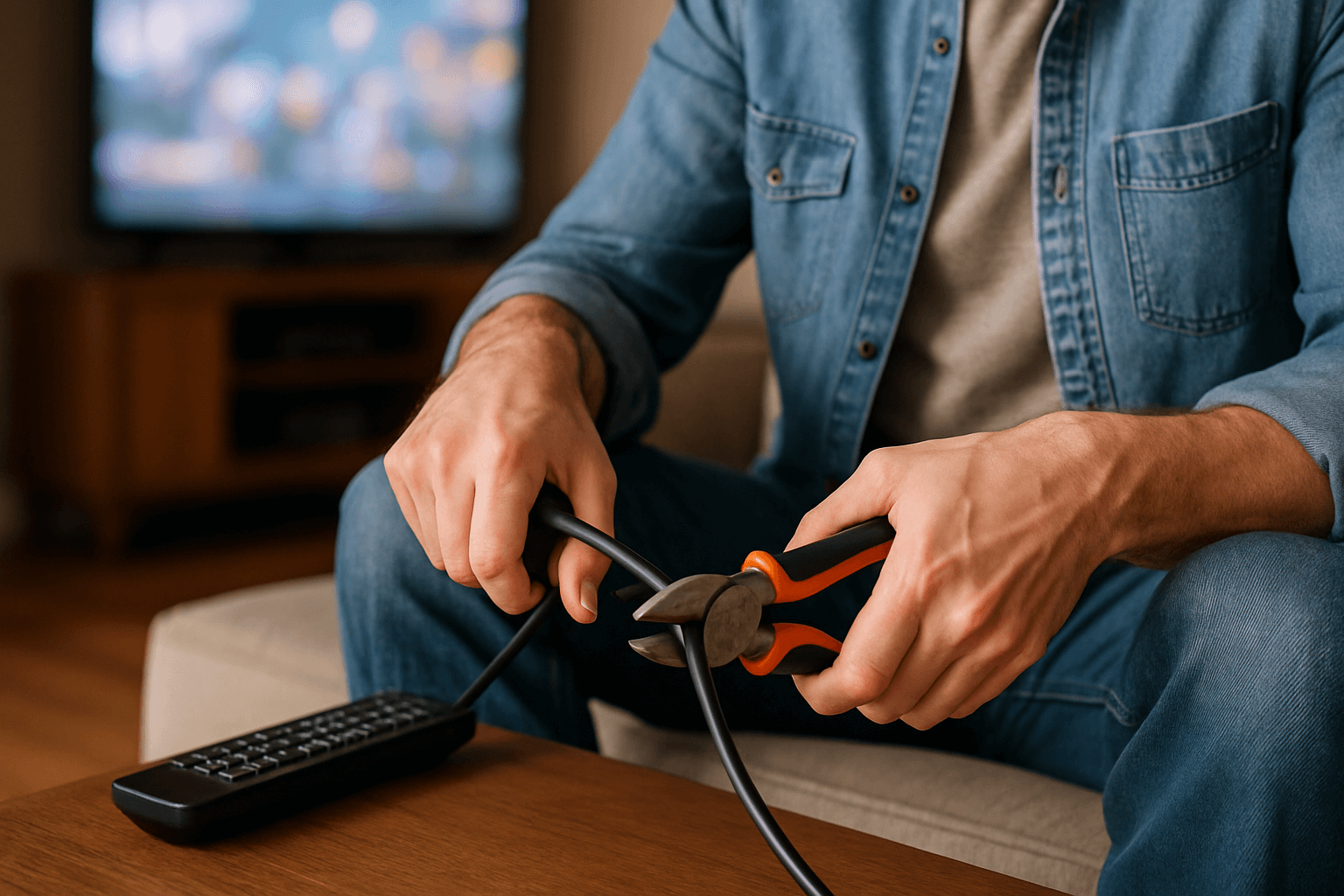
- The Rising Crisis of Cable Television Expenditures
- Comprehensive Cost-Cutting Strategies for 2025
- Subscription Optimization and Bundle Deconstruction
- Strategic Streaming Service Rotation
- Hardware Investment for Long-term Savings
- Alternative Viewing Solutions and Technologies
- Over-the-Air Broadcasting Renaissance
- International Content Access Solutions
- Mobile Integration and Flexibility
- Smart TV Box Technology and Implementation
- Android-Based Streaming Platforms
- Content Library Depth and Diversity
- Implementation Strategies for Maximum Savings
- Transition Planning and Timeline
- Quality Assurance and Performance Optimization
- Frequently Asked Questions About Cable Cost Reduction
- Long-term Financial Impact and Sustainability
The Rising Crisis of Cable Television Expenditures
Cable television bills have metamorphosed into financial behemoths that devour household budgets with unprecedented voracity. The average American household now allocates over $80 monthly to traditional cable subscriptions, representing a staggering 200% increase from costs witnessed merely two decades ago. This pecuniary escalation has catalyzed a paradigm shift among discerning consumers who refuse to capitulate to the oligopolistic stranglehold of conventional broadcasting conglomerates.
The antiquated cable infrastructure perpetuates a rent-seeking model that forces subscribers into bloated channel bundles replete with superfluous content. Consumers find themselves subsidizing hundreds of channels they never consume while struggling to access the specific programming that aligns with their cultural preferences and linguistic requirements.
For Chinese-speaking expatriate communities, this predicament becomes particularly exacerbated. Traditional cable packages often relegate international content to premium tiers, creating additional financial barriers for diaspora households seeking authentic cultural programming from their homeland.
Comprehensive Cost-Cutting Strategies for 2025
Subscription Optimization and Bundle Deconstruction
The first tactical maneuver involves meticulous scrutiny of existing subscriptions to identify redundancies and superfluous services. Many households unknowingly perpetuate multiple overlapping subscriptions that collectively exceed traditional cable costs while delivering fragmented experiences.
Implementing a subscription audit reveals hidden expenditures lurking within seemingly innocuous monthly charges. Premium add-ons, equipment rental fees, and dormant streaming services frequently accumulate into substantial annual outlays that dwarf the perceived savings from cord-cutting initiatives.
- Catalog all recurring television and entertainment subscriptions
- Identify overlapping content libraries across platforms
- Calculate the true cost-per-hour of consumed content
- Eliminate redundant services maintaining minimal viewership
- Negotiate retention pricing with existing providers
Strategic Streaming Service Rotation
Implementing a rotational approach to streaming subscriptions maximizes content accessibility while minimizing perpetual financial commitments. This methodology involves subscribing to specific platforms during peak content seasons, consuming desired programming intensively, then transitioning to alternative services.
The ephemeral nature of digital subscriptions facilitates this fluid approach, contrasting sharply with the rigid annual contracts imposed by traditional cable operators. Sophisticated consumers leverage promotional periods, free trials, and seasonal content releases to optimize their entertainment expenditures.
Hardware Investment for Long-term Savings
Strategic hardware investments can obviate recurring subscription fees while providing superior content accessibility. Modern streaming devices and smart TV boxes represent one-time expenditures that unlock vast content libraries without perpetual monthly obligations.
EVPAD TV boxes exemplify this paradigm, offering preloaded access to over 2,000 international channels without recurring subscription fees. This approach transforms the traditional expense model from perpetual rental to ownership, creating substantial long-term savings while enhancing content diversity.
"The transition from subscription-dependent streaming to hardware-based solutions represents a fundamental shift in how households approach entertainment consumption, prioritizing ownership over rental models."
Alternative Viewing Solutions and Technologies
Over-the-Air Broadcasting Renaissance
Digital terrestrial broadcasting has experienced a remarkable renaissance, offering high-definition content without subscription requirements. Modern antenna technologies capture significantly more channels than their analog predecessors, providing robust local programming alongside major network content.
The implementation of ATSC 3.0 broadcasting standards introduces enhanced picture quality, interactive features, and mobile compatibility that rivals cable television delivery mechanisms. This technological evolution democratizes access to premium broadcasting quality without the associated subscription burden.
International Content Access Solutions
Chinese-speaking expatriate communities require specialized solutions that transcend conventional streaming platforms' limited international offerings. Traditional services often marginalize non-English content or restrict geographical access through licensing limitations.
Dedicated international streaming solutions provide comprehensive access to Chinese television networks including CCTV, TVB, ETTV, and Phoenix channels. These platforms deliver authentic cultural programming with linguistic accuracy that maintains connection to heritage while satisfying diverse household viewing preferences.
| Traditional Cable | Streaming Services | International TV Box |
|---|---|---|
| $80-120 monthly | $40-60 monthly (multiple services) | One-time purchase |
| Limited international content | Geo-restricted access | 2,000+ global channels |
| Equipment rental fees | Multiple app subscriptions | No recurring fees |
| Contract obligations | Subscription management | Ownership model |
Mobile Integration and Flexibility
Contemporary viewing habits demand seamless integration across multiple devices and locations. Mobile accessibility ensures content consumption continuity whether commuting, traveling, or simply transitioning between rooms within the household.
Advanced streaming solutions incorporate dedicated mobile applications that synchronize with primary viewing devices, creating unified entertainment ecosystems. This integration eliminates the fragmentation typically associated with multiple streaming subscriptions while maintaining consistent user experiences.
Smart TV Box Technology and Implementation
Android-Based Streaming Platforms
Android-based smart TV boxes represent the technological vanguard of independent entertainment consumption. These devices leverage open-source flexibility to deliver customizable viewing experiences that transcend the limitations imposed by proprietary streaming platforms.
The inherent modularity of Android systems facilitates continuous updates and feature enhancements without requiring hardware replacement. This future-proofing approach ensures sustained functionality as broadcasting standards and content delivery mechanisms evolve.
EVPAD devices exemplify this technological sophistication, providing 8K streaming capabilities, multilingual interfaces, and comprehensive channel libraries that rival traditional cable offerings. The integration of both live television and on-demand content creates versatile entertainment hubs that accommodate diverse viewing preferences.
Content Library Depth and Diversity
Modern smart TV boxes curate extensive content libraries that encompass global programming beyond the parochial offerings of regional cable providers. This international perspective proves invaluable for expatriate communities seeking authentic cultural content alongside mainstream entertainment options.
Daily content updates ensure programming freshness while maintaining connection to rapidly evolving global media landscapes. This dynamic approach contrasts favorably with static cable packages that rarely incorporate emerging international content or respond to changing viewer preferences.
Implementation Strategies for Maximum Savings
Transition Planning and Timeline
Successful cable cutting requires methodical planning to avoid service interruptions or unexpected costs. The optimal transition involves overlapping periods where new solutions operate alongside existing services, ensuring seamless continuity before complete migration.
Contract timing considerations prove crucial, as premature cancellations often trigger substantial early termination fees. Strategic planning aligns cancellation dates with billing cycles while leveraging promotional periods for alternative solutions.
- Evaluate current contract obligations and termination costs
- Research and test alternative viewing solutions during trial periods
- Implement new technologies while maintaining temporary cable access
- Verify content accessibility and quality across all household requirements
- Execute formal cable cancellation aligned with optimal timing
Quality Assurance and Performance Optimization
Maintaining viewing quality during the transition requires attention to internet infrastructure and streaming device capabilities. Inadequate bandwidth or outdated hardware can compromise the viewing experience, potentially undermining cost-saving initiatives.
Network optimization ensures consistent streaming performance across multiple devices and users. This includes router upgrades, bandwidth allocation strategies, and quality-of-service configurations that prioritize entertainment traffic.
Frequently Asked Questions About Cable Cost Reduction
Will I lose access to live sports and news programming?
Modern streaming solutions provide comprehensive access to live programming including sports, news, and special events. International TV boxes often include sports channels and news networks that exceed traditional cable offerings, particularly for global content coverage.
How reliable is internet-based television compared to cable?
Contemporary broadband infrastructure provides reliability that matches or exceeds traditional cable television, especially when coupled with robust streaming devices. Redundant content delivery networks ensure consistent availability even during peak usage periods.
What happens during internet outages?
While internet dependency represents a consideration, most households experience fewer internet outages than cable television interruptions. Additionally, mobile streaming capabilities provide backup access through cellular networks during primary internet disruptions.
Can multiple family members watch different content simultaneously?
Advanced streaming solutions support multiple concurrent streams, often exceeding the simultaneous viewing capabilities of traditional cable systems. Smart TV boxes typically accommodate several users without performance degradation.
How do I ensure access to Chinese-language programming?
Specialized international streaming devices provide dedicated access to Chinese television networks including CCTV, TVB, ETTV, and Phoenix channels. These solutions offer more comprehensive Chinese content than traditional North American cable packages while eliminating premium tier requirements.
Long-term Financial Impact and Sustainability
The cumulative financial benefits of strategic cable cost reduction compound significantly over time. Annual savings frequently exceed $1,000 per household while providing enhanced content diversity and viewing flexibility.
Hardware investments in quality streaming devices generate positive returns within months of implementation. EVPAD TV boxes, for instance, typically recoup their initial cost within three months compared to traditional cable expenses, then provide years of subscription-free entertainment access.
This economic model proves particularly advantageous for expatriate households requiring specialized international content. Traditional cable providers charge premium rates for limited international programming, while dedicated streaming solutions provide comprehensive global access at fraction of ongoing costs.
The sustainability of these savings increases as streaming technologies mature and content libraries expand. Unlike cable television's inexorable price escalation, hardware-based solutions maintain consistent costs while delivering improving performance and expanding content access.